
























When the IPL began last month, I looked at Chennai Super Kings and Kolkata Knight Riders and wondered which of the two would end up being the more underwhelming side this season. A few weeks in, the answer is becoming increasingly clear: KKR.
To be fair, not much has gone right for them from the outset. Even before a ball was bowled, they were dealt significant blows with injuries to Harshit Rana and Akash Deep, while Matheesha Pathirana has still not been available. Those are not minor absences for any team to deal with.
But to pin KKR’s struggles solely on missing personnel would be letting them off too easily. What has stood out just as much — if not more — has been a series of questionable tactical decisions that have consistently backfired.
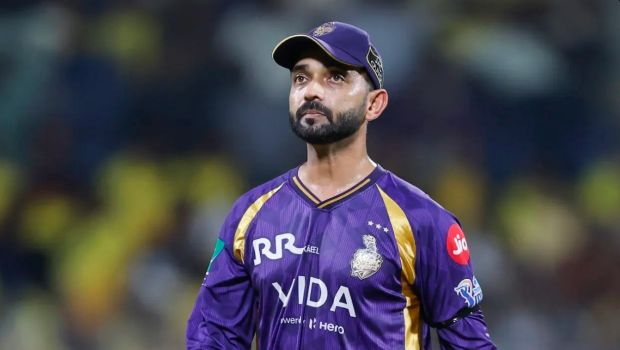
Take the washed-out game against Punjab Kings. With rain looming, Ajinkya Rahane chose to bat first, only for KKR to slump to 25/2 by the time the weather intervened. Against Lucknow Super Giants, they made the puzzling call to bench their only overseas fast bowler, Blessing Muzarabani — fresh off a four-wicket performance — to accommodate the returning Sunil Narine. The idea seemed to be to add batting depth, but it came at the cost of bowling strength, and KKR paid the price after posting a below-par 181 and failing to defend it.
The pattern continued against Sunrisers Hyderabad. Fully aware of their bowling limitations, Rahane opted to field first, only to watch KKR concede 226 on a surface that slowed down as the game progressed. It was a decision that raised eyebrows even before the first ball was bowled — and looked worse in hindsight.
Then came perhaps the most baffling move of all: Cameron Green opening the bowling in their most recent game. It had been three years since he was last used in that role. Green himself has struggled, scoring just 56 runs in five innings, but KKR have hardly helped his cause. His batting position has been in constant flux — from No. 3 at the start of the season to No. 6 in the latest outing — a lack of clarity that reflects poorly on team planning.

Rahane, too, embodies KKR’s broader dilemma. His strike rate of 149 might look respectable on paper, but he has not appeared convincing. And this leads to a larger point about players like Rahane, Shubman Gill and Ruturaj Gaikwad. All three are technically sound, classical batters — but perhaps too much so for the demands of modern T20 cricket.
Today’s game rewards a certain brand of aggression, especially in the powerplay — a willingness to swing hard, even if it looks ungainly. It is a trait seen in players like Sanju Samson, Abhishek Sharma, Travis Head, Phil Salt, Yashasvi Jaiswal, Vaibhav Sooryavanshi, Priyansh Arya and others who can seize momentum early. By comparison, batters who rely on technical purity often struggle to impose themselves in the same way.
Which raises a final question: if players like Rahane, Gill and Gaikwad are not opening the batting, do they fit into a best T20 XI at all?
Right now, KKR look like a team lacking both clarity and conviction. And unless that changes quickly, their season may already be slipping away.