


























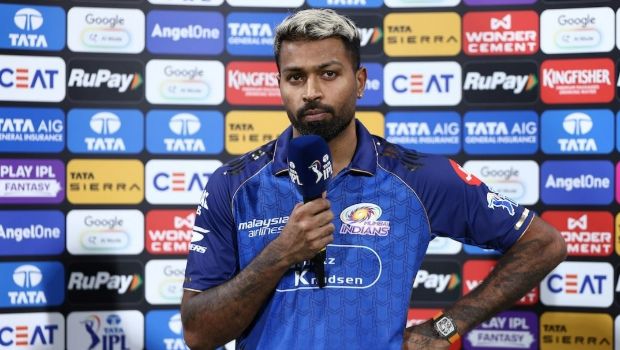
Five matches into the IPL season, Mumbai Indians find themselves in a familiar yet increasingly uncomfortable position. Slow starts have almost become a trademark of the franchise over the years, but this time, with just one win from five games, the concern feels more urgent than routine.
The question now is unavoidable: is it already time to press the panic button?
Their latest defeat, against Punjab Kings, was a microcosm of their season so far—moments of promise undone by long stretches of mediocrity. At one stage, with Quinton de Kock and Naman Dhir at the crease, Mumbai appeared set for a formidable total. De Kock’s blistering 112 came off 60 balls, which means he faced exactly half of the entire Mumbai innings.
The remaining batters, along with extras, managed just 83 runs off the other 10 overs, with Dhir contributing the bulk of those – 50 off 31, to be precise. It was a collapse that highlighted the team’s over-reliance on individual brilliance rather than collective consistency.
That inconsistency runs through the batting order. Suryakumar Yadav’s golden duck in the same game dropped his average to a modest 21, a far cry from the match-winning standards he has set in previous seasons. Captain Hardik Pandya has looked uncertain throughout the tournament, while Ryan Rickelton has just one fifty in five innings. Rohit Sharma showed early promise before losing form and then missing the latest game through injury. Tilak Varma, meanwhile, has endured a particularly difficult run.

If the batting has been unreliable, the bowling has done little to compensate. Trent Boult and Deepak Chahar have both struggled for rhythm and impact. Mayank Markande, initially trusted as the lead spinner, was dropped after three wicketless outings, while Mitchell Santner has not provided the control or breakthroughs required in the middle overs. Shardul Thakur has picked up the most wickets but at a significant cost in terms of runs conceded, and Hardik’s own bowling has been largely ineffective.
Perhaps the most surprising statistic of all concerns Jasprit Bumrah. While his dot-ball percentage remains healthy, he is yet to pick up a wicket this season. To compound matters, Bumrah dropped Prabhsimran Singh early in the Punjab innings—a reprieve that proved costly as the batter went on to score a match-winning fifty.
For a franchise with Mumbai’s pedigree, there is always the temptation to look back at 2013, when a mid-season leadership change—replacing Ricky Ponting with Rohit Sharma—sparked a remarkable turnaround that culminated in a title. However, this season’s issues appear deeper and more widespread, spanning both departments and multiple senior players.
A comeback cannot be ruled out. Mumbai have built a reputation on defying early setbacks. But on current evidence, the margin for error is rapidly shrinking. Whether this campaign becomes another story of resurgence or one of missed opportunity may well be decided in the next few matches.