






















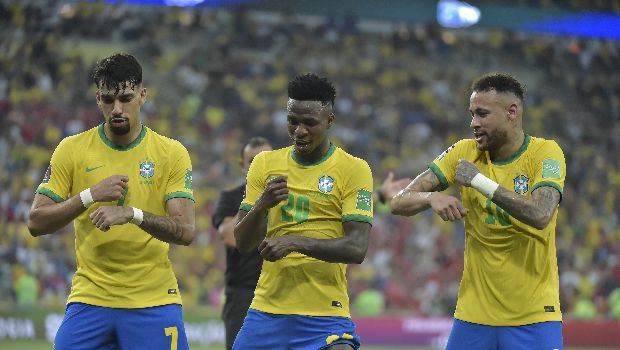
For a nation that measures success almost exclusively in World Cup triumphs, Brazil’s elimination in the Round of 16 of the 2026 FIFA World Cup represents far more than another disappointing tournament.
It is another chapter in what has become a prolonged decline.
Norway’s victory not only ended Brazil’s hopes of winning a sixth World Cup but also extended a painful drought that will now reach at least 28 years without lifting football’s biggest trophy. For a country whose identity has long been intertwined with global dominance, that reality is almost unimaginable.
Perhaps even more concerning is the pattern behind the eliminations.
Brazil has repeatedly fallen short against teams that entered the tournament as dangerous challengers rather than traditional favorites. Belgium ended its campaign in 2018, Croatia followed in 2022, and now Norway has delivered another devastating blow in 2026. Each defeat has reinforced the feeling that Brazil is no longer capable of imposing itself when the competition reaches its decisive stages.
The concerns extend well beyond results.
For decades, Brazil captivated the football world with its joyful approach to the game. The famous jogo bonito was built on creativity, technical brilliance, flair, and fearless attacking football. That identity appears to have faded.
Today’s Brazilian squad undoubtedly contains talented players competing for some of Europe’s biggest clubs. Yet the team lacks the extraordinary individuals who once defined entire generations. More importantly, it no longer possesses the midfield creators capable of controlling matches and dictating the rhythm of play, a hallmark of virtually every great Brazilian side.
The search for immediate success has also highlighted the uncertainty surrounding the national team’s direction.

The decision to appoint Italian manager Carlo Ancelotti reflected Brazil’s determination to return to the top as quickly as possible. While Ancelotti’s résumé is unquestioned, the appointment also symbolized a federation willing to look outside its own football culture in search of answers, a move that many believe illustrates how much of Brazil’s traditional identity has been lost.
The gap between reputation and reality continues to grow.
Brazil remains one of football’s biggest names, but recent World Cups have shown a team struggling to match the standards established by previous generations led by Pelé, Zico, Romário, Ronaldo, Rivaldo, Ronaldinho, Kaká, and countless other legends.
The badge still commands worldwide respect.
The performances no longer inspire the same fear.
Rebuilding Brazil into a genuine World Cup contender will require more than tactical adjustments or managerial changes. It will demand rediscovering the identity that once made the Seleção the global standard for beautiful football.
Until that happens, Brazil risks remaining one of the sport’s greatest historical powers while falling further behind the nations now setting the standard on football’s biggest stage.