

























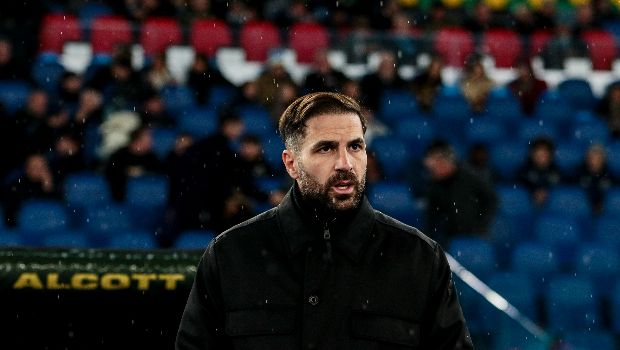
Managerial markets move fast, especially when results don’t follow expectations. At Chelsea FC, that reality has surfaced again, and a familiar name is quietly gaining traction: Cesc Fàbregas.
The Spaniard, currently in charge of Como 1907, has emerged as one of the leading candidates to take over in London. What makes the situation particularly interesting is not just Chelsea’s interest, but the stance of Como’s leadership. Club president Mirwan Suwarso has made it clear that if an offer arrives, the decision will ultimately rest with Fàbregas.
Fàbregas didn’t step into coaching with the typical long apprenticeship. His transition was direct, shaped by his experience on the pitch and his understanding of elite environments.
At Como, that transition has produced tangible results.
After taking charge following the club’s promotion to Serie A, he has guided them into a competitive position in the league, establishing a team that plays with structure and clarity. Como have shown consistency in how they approach matches, something that tends to attract attention from bigger clubs.
Internally, Fàbregas is more than just a coach. He is also a stakeholder, holding a minority share alongside figures like Thierry Henry. That dual role adds complexity to any potential move, but the club has already signaled flexibility. As long as he doesn’t join a direct domestic rival, there are pathways for him to remain involved from a business perspective.
Chelsea’s current situation is defined by instability.
A series of poor results led to the dismissal of their previous manager, and while an interim solution is in place, the focus is already on a permanent appointment. The club is not just looking for a coach—they are looking for direction.
Fàbregas fits part of that equation.

His connection to Chelsea as a former player gives him immediate credibility with fans and within the club structure. But beyond sentiment, there’s a tactical argument. His work at Como suggests a coach who values positional play, controlled buildup, and adaptability—qualities that align with the demands of modern top-level football.
The challenge, however, is scale.
Managing Chelsea is fundamentally different from managing Como. The expectations, media scrutiny, and internal dynamics are significantly more intense.
That’s where the decision becomes more nuanced.
Chelsea could pursue more experienced options, managers with longer track records at the highest level. But those profiles often come with their own constraints—higher salaries, greater demands for control, and less flexibility in long-term planning.
Fàbregas represents a different type of bet.
He is early in his managerial career, but already showing signs of strategic thinking and leadership. For a club trying to rebuild its identity, that combination can be appealing.