























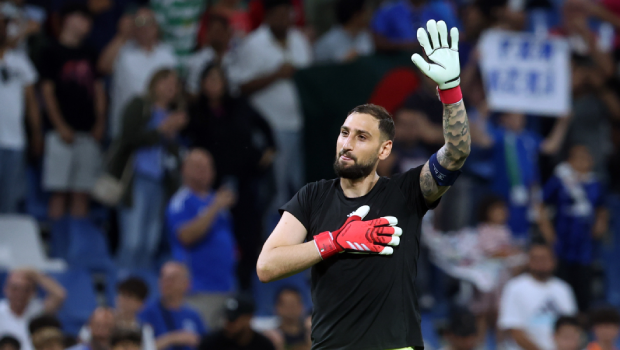
Italy’s latest World Cup failure has left more than a sporting void—it has triggered a credibility crisis around the national team. In the middle of that storm, Gianluigi Donnarumma has stepped forward, not to defend results, but to challenge a narrative that threatened to further damage the squad’s image.
The controversy centered on a rumor that quickly gained traction: that players had requested financial incentives to secure qualification. In a country already frustrated after years of disappointment, the idea landed poorly. For many fans, it reinforced a perception that the team had lost its connection to the badge.
Donnarumma’s response was direct.
As captain, Donnarumma understood the weight of the accusation.
He publicly denied that any player had approached the federation asking for a bonus tied to qualification. His message was simple: the suggestion was false, and more importantly, it misunderstood how the national team operates.
According to Donnarumma, players do not negotiate incentives for representing their country. Instead, any financial reward—often structured as a federation-issued bonus—is predetermined and symbolic. It is not a bargaining chip.
In international football, the expectation is that representing the national team is an honor, not a commercial negotiation. By clarifying that no such request was made, Donnarumma was not just correcting a rumor—he was trying to protect the integrity of the group.
The timing of his statement also reflects a broader concern.

Italy’s absence from the 2026 World Cup marks the third consecutive tournament they will miss. For a nation with a deep footballing tradition, that statistic carries significant weight. The emotional response from supporters has been intense, and any suggestion of misplaced priorities only amplifies the frustration.
Donnarumma’s intervention, then, is part damage control, part leadership.
He is attempting to reset the conversation—moving it away from speculation and back toward accountability.
The bigger issue goes beyond one rumor.
Italy’s recent history has created a disconnect between the team and its supporters. Winning Euro 2020 briefly masked structural problems, but the failure to qualify for multiple World Cups has exposed deeper concerns about consistency, development, and leadership.
This latest setback has triggered a chain reaction.
The coaching staff has changed, senior figures within the federation have stepped down, and the broader project is now under scrutiny. These shifts signal recognition that the problem is systemic, not isolated to a single match or decision.