

























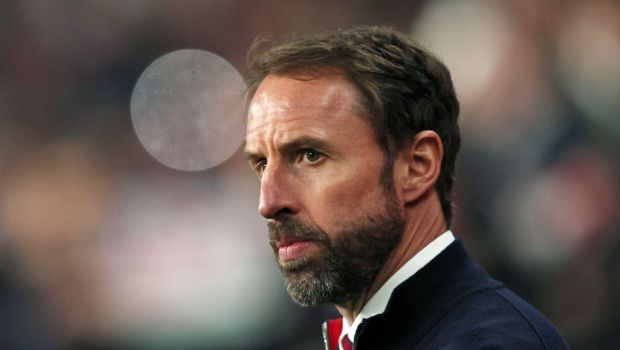
Gareth Southgate has finally addressed one of the most persistent rumors in English football: a potential return to Premier League management. For years, his name surfaced whenever a major club vacancy opened, especially at Manchester United. Yet the former England boss has now made his stance unmistakably clear. At this stage of his life, he has no interest in going back to the weekly grind of club football. Instead, he wants to focus on business ventures and personal projects that offer a different rhythm from the relentless pressure of the dugout.
This declaration carries weight because Southgate is not a manager fading quietly into retirement. He remains a recognizable figure who led one of the most scrutinized national teams in the world through multiple tournaments. When he stepped away from international coaching in July 2024 after a European Championship final defeat, speculation immediately began about his next move. Many assumed a top-flight club would be inevitable. The reality, however, appears to be very different.
Southgate’s reasoning is rooted in experience, early in his coaching career, he managed in the Premier League at a young age and guided his team to mid-table finishes, typically around 11th or 12th place. Those seasons provided him with a direct view of the daily politics that accompany club management: board expectations, ownership influence, transfer disputes, and the constant demand for immediate results.
That environment contrasts sharply with international football, where he operated with a greater sense of autonomy. He has openly admitted that working without owner interference became something he valued deeply. National team management allowed him to focus on players, tactics, and long-term planning rather than navigating corporate hierarchies and weekly crises.
From his perspective, returning to the Premier League would mean stepping back into a system dominated by short-term judgment cycles. A manager can go from hero to under pressure within a matter of weeks. Southgate appears uninterested in that volatility, particularly after experiencing what he describes as one of the biggest roles in global football. The intensity of major tournaments, the scale of the spotlight, and the privilege of working with elite players seem to have reshaped his expectations of what coaching should feel like.

Financially, there is also little urgency pushing him toward another job. Over the course of his England tenure, Southgate earned a salary estimated at around $6 million per year, providing enough stability to explore opportunities outside football management.
Instead of chasing another managerial role, Southgate is investing his energy into business and media initiatives. He is reportedly preparing to host a television show while also developing commercial projects that align with his personal brand. Southgate’s calm demeanor and analytical communication style have always made him well suited for broadcasting and advisory positions. By moving in this direction, he can remain involved in football conversations without carrying the daily burden of team selection and tactical scrutiny.
Importantly, he has also ruled out another international job, closing the door on speculation that he might simply switch federations.