

























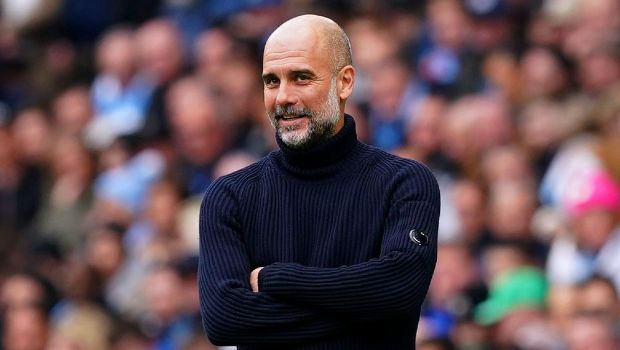
For nearly a decade, Pep Guardiola has been the central figure behind Manchester City’s dominance, shaping everything from recruitment philosophy to positional play on the pitch. Officially, the Catalan coach remains under contract until the end of the 2026/27 season. Unofficially, the mood around the club suggests that his managerial cycle could conclude much earlier, possibly when the current campaign wraps up. That tension has sparked an interesting strategic idea inside football circles: if City cannot convince Guardiola to stay as manager, they may attempt to keep him in a different role, potentially as Director of Football.
The proposal is not about sentimentality. It is about preserving institutional knowledge and maintaining a footballing identity that has been meticulously built over years of success. Guardiola’s influence extends far beyond tactics; it touches scouting profiles, youth development pathways, and the long-term evolution of the squad.
Replacing Guardiola is not simply a matter of hiring another high-profile coach. His tenure has redefined expectations at the Etihad, turning consistent domestic dominance and European competitiveness into baseline standards. Any successor would inherit a system designed around Guardiola’s philosophy, which raises the risk of tactical disruption if a completely different style is introduced.
This is precisely why internal discussions about continuity have gained traction. Maintaining Guardiola within the club structure, even after he steps away from the dugout, could soften the transition and avoid the sharp reset that often follows the departure of a transformational manager. The idea resembles a corporate succession strategy: retain the visionary as an executive architect while allowing a new coach to handle day-to-day team management.

From a financial perspective, the logic also makes sense. City have invested hundreds of millions in assembling a squad tailored to Guardiola’s footballing model. If a successor dismantles that structure, the club could face significant reinvestment costs to reshape the roster, potentially exceeding $300 million over multiple transfer windows. Keeping Guardiola involved at an executive level could help ensure that recruitment remains aligned with the established playing philosophy, preserving the value of existing assets.
Moreover, Guardiola himself has occasionally hinted that results ultimately dictate his future. That pragmatic stance suggests he is open to evaluating his next step based on competitive cycles rather than contractual timelines alone. For City, this creates both urgency and opportunity: urgency because they must prepare for his departure sooner than the contract suggests, and opportunity because they can design a role that keeps him tied to the project without the weekly pressures of management.