






















Germany’s latest World Cup campaign ended with more frustration, more questions, and another painful reminder that one of football’s traditional powerhouses is still searching for its identity.
The penalty defeat against Paraguay brought an abrupt end to Die Mannschaft’s tournament and extended a worrying trend of underachievement on the global stage. Once again, expectations were high, and once again, the team failed to deliver the kind of run supporters have come to expect.
The aftermath was swift.
Julian Nagelsmann stepped down from his position despite having years remaining on his contract, opening the door for a new chapter. Now, one of the biggest names in modern football appears ready to answer the call.
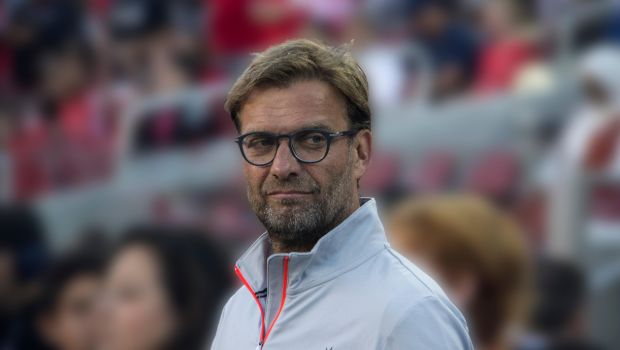
Jurgen Klopp has reportedly informed the German Football Association that he is interested in becoming the next national team manager, a development that has immediately energized fans eager for a reset.
Few nations carry the weight of expectation that Germany does.
Every major tournament begins with ambitions of competing for the title, but recent years have produced a far different reality. The latest elimination only deepened concerns about the direction of the national team and its ability to compete with football’s current elite.
The defeat to Paraguay proved to be the breaking point.
Nagelsmann, who had been expected to guide Germany into the next European Championship cycle, ultimately chose to step aside following discussions with federation officials. While his tenure included moments of promise, the World Cup result overshadowed everything else.
Responsibility, in the end, became the central theme.
The former Bayern Munich manager publicly acknowledged the disappointment and emphasized that the national team deserved a fresh beginning after another failed attempt to restore Germany’s former dominance.
That decision immediately shifted attention toward potential successors.
One name quickly moved to the front of the conversation: Jurgen Klopp.

The timing feels significant.
Klopp has remained away from full-time coaching since leaving Liverpool in 2024, instead focusing on his broader responsibilities within the Red Bull football network and media commitments. Yet those close to German football have long believed that leading the national team represented one of the few roles capable of bringing him back to the dugout.
Klopp’s appeal extends far beyond his trophy cabinet.
The 59-year-old built his reputation by transforming teams, creating strong collective identities, and reconnecting supporters with their clubs. His work at Borussia Dortmund and Liverpool demonstrated an ability to rebuild organizations while maintaining a clear footballing philosophy.
Germany now needs exactly that.
The national team possesses enormous talent, but recent tournaments have exposed deeper issues involving confidence, cohesion, and tactical identity. Klopp’s energetic leadership style could provide the emotional reset many believe is necessary.
His understanding of German football is another major advantage.
Few coaches know the country’s football culture as intimately as Klopp. He understands the expectations, the pressures, and the traditions that come with representing one of the sport’s most successful nations.
Recent appearances as a television analyst during the World Cup also showed that he has not lost his sharp eye for the game.
Klopp openly criticized certain aspects of Germany’s performances, offering honest assessments rather than diplomatic answers. That willingness to confront uncomfortable truths is one reason so many supporters view him as the ideal candidate to lead the next cycle.
Unlike some managers, Klopp has never been afraid to challenge established thinking if he believes change is necessary.