






















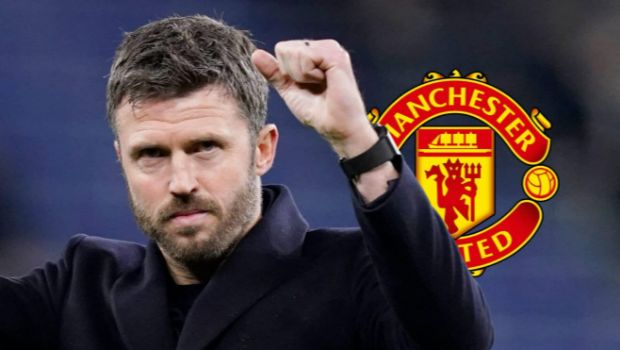
Manchester United find themselves in a familiar but delicate position: results on the pitch are improving, yet uncertainty off it continues to dominate the conversation.
Michael Carrick has stepped into the interim role and stabilized a team that looked lost just weeks ago. Performances are sharper, results are coming in, and the club is now firmly in contention for a Champions League return. Under most circumstances, that kind of turnaround would point toward a straightforward decision.
But this is United.
And instead of closing the door on alternatives, the board appears to be widening the conversation—bringing unexpected names back into the spotlight, including one that carries significant history at Old Trafford: José Mourinho.
Carrick’s impact has been immediate, and more importantly, measurable.
Since taking charge, he has overseen a run of results that has lifted United into third place in the table.
What stands out about Carrick’s tenure is not just the points collected, but how the team is functioning. The structure looks more balanced, players appear more comfortable in their roles, and there is a sense of continuity that had been missing earlier in the season.
He has also avoided overcomplicating things.
Instead of imposing a radical tactical overhaul, Carrick has leaned into clarity—simplifying responsibilities and allowing key players to perform within a more stable framework. That approach has reduced errors and improved consistency, two areas that had previously undermined the team.
From a boardroom perspective, this creates a dilemma.
On one hand, Carrick represents continuity, lower risk, and alignment with a modern coaching model that separates tactical duties from recruitment decisions. On the other, there is always the temptation to look for a bigger name—someone with a proven track record at the highest level.

That’s where the conversation becomes more complex.
The idea of José Mourinho returning to Manchester United is not coming out of nowhere.
Club figures, including former players, have openly supported the possibility. The argument is straightforward: Mourinho is a proven winner, someone who understands how to navigate high-pressure environments and deliver results quickly.
During his previous spell at the club, he secured silverware, including a European title and a domestic cup. In isolation, that record still holds weight.
But football—and more specifically, United’s internal structure—has evolved.
The current model places less control in the hands of the manager when it comes to recruitment and long-term squad planning. Instead, decision-making is distributed across sporting directors and technical staff. This shift is designed to create sustainability, but it also limits the authority traditionally associated with managers like Mourinho.
Mourinho’s success has often been tied to having significant influence over transfers and squad construction. Bringing him back into a system where that control is reduced could create friction, regardless of his experience.
There is also the broader strategic question.
United are reportedly evaluating multiple candidates across Europe, including coaches known for tactical innovation and player development. These profiles align more closely with the club’s current direction, which prioritizes long-term growth over short-term fixes.
Yet Mourinho’s name continues to circulate.