























Few topics generate as much debate during a World Cup as refereeing decisions.
Every tournament produces unforgettable moments, but it also brings controversial calls that dominate post-match discussions. This year’s competition has been no exception, with several high-profile incidents leading to criticism from players, coaches, football associations, and supporters around the world.
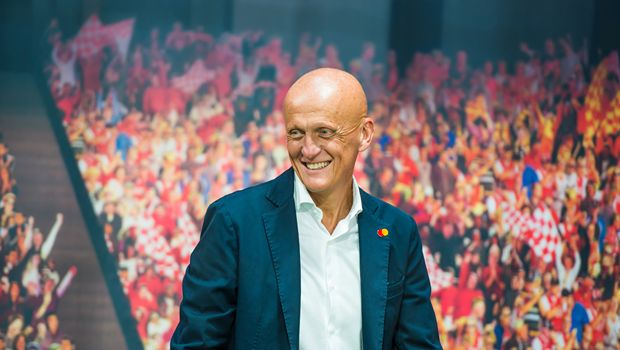
As pressure continues to mount on match officials, FIFA’s Chief Refereeing Officer, Pierluigi Collina, has stepped forward to defend the men and women entrusted with officiating football’s biggest event.
The legendary former referee insists that mistakes can happen in such a demanding tournament, but firmly rejects any suggestion that officials have acted with bias or compromised the integrity of the competition.
His comments come after several knockout-stage matches sparked heated reactions across the football world.
The latest controversy followed Argentina’s dramatic 3-2 victory over Egypt in the knockout rounds.
Egyptian players and coaching staff questioned several key decisions that went against them during the match, with head coach Hossam Hassan expressing strong frustration after the final whistle.
Rather than limiting his criticism to individual incidents, Hassan suggested that the overall direction of the game left his team at a disadvantage. His emotional comments reflected the disappointment felt by many Egyptian supporters after seeing their World Cup campaign come to an end.
The Egyptian Football Association also voiced concerns, stating that multiple situations during the match deserved closer examination.
That game, however, is only one example.
Throughout the tournament, referees have found themselves at the center of numerous discussions involving VAR interventions, disciplinary decisions, and interpretations of physical challenges.
Several other knockout matches have produced similar headlines.
One notable example involved the suspension of Folarin Balogun’s red card following the United States’ victory over Bosnia, while another debate emerged after France’s physical encounter with Paraguay, where many believed stronger disciplinary action should have been taken against repeated fouls.

Each incident has contributed to growing public scrutiny of FIFA’s officiating standards.
Pierluigi Collina acknowledged that not every decision will satisfy everyone involved.
Given the number of matches played within a short period, he believes occasional controversies are inevitable. What matters, according to the Italian, is the commitment shown by referees to continuously review performances and improve from one assignment to the next.
His strongest message, however, focused on protecting the credibility of match officials.
Collina drew a clear distinction between healthy football debate and accusations that question the honesty or impartiality of referees.
Constructive analysis, he argued, is part of the sport.
Baseless allegations suggesting deliberate favoritism are something entirely different.
From FIFA’s perspective, officials undergo extensive preparation before every tournament. They receive continuous technical instruction, physical training, and regular evaluations throughout the competition.
For Collina, that process demonstrates the organization’s commitment to maintaining the highest officiating standards possible.
He also emphasized that referees remain fully accountable for their performances and constantly review difficult situations after every match.
Rather than ignoring criticism, FIFA encourages officials to learn from challenging moments while preparing for future assignments.