

























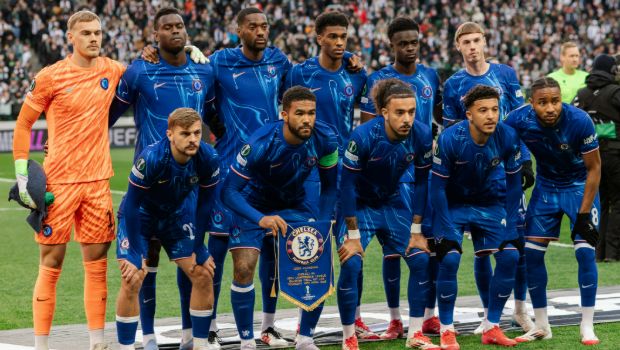
Chelsea’s recent Carabao Cup defeat to Arsenal has triggered the familiar cycle that follows any setback at a big Premier League club: criticism, doubt, and early questions about the manager. This time, the spotlight is on Liam Rosenior, the new man in charge at Chelsea FC.
The reaction feels disproportionate when placed next to the numbers. Rosenior has won seven of his last nine matches and has the Blues sitting fifth in the league table. Yet two losses—both against Arsenal FC—have been enough to reignite the impatience that so often defines the Premier League environment.
Former Chelsea defender William Gallas has stepped in with a different message: calm down, give the manager time, and look at what long-term patience did for Mikel Arteta at Arsenal.
Rosenior did not inherit a settled project. He walked into a club still adjusting to a new cycle, new expectations, and a demanding fixture list across multiple competitions. His early results have actually been strong, including a 3-2 away win over Napoli that secured Chelsea’s place in the Champions League knockout rounds.
That victory is not minor. Winning in Italy in Europe is a statement for any manager, especially one still in the early weeks of his tenure.
However, cup football has a way of shaping narratives. Losing a two-legged Carabao Cup semi-final to Arsenal—who currently lead the Premier League and look like genuine title contenders—has overshadowed everything else. The defeats have been treated not as growing pains, but as warning signs.

Gallas sees it differently. From his perspective, Rosenior is experiencing what many modern managers face: the expectation to deliver instant success in a league that allows little margin for adaptation.
Gallas’ comparison is deliberate. When Arteta arrived at Arsenal, he had no senior managerial experience. The club finished eighth in his first season and repeated that position the following year. Many fans questioned whether he was the right choice.
But Arsenal’s leadership stayed the course. They allowed Arteta to build the squad he wanted, to implement his style, and to develop a young core. Years later, Arsenal are in pole position to lift the Premier League title and are among the most consistent teams in Europe.
That evolution did not happen in months. It took seasons.
Gallas argues that football has changed. Players are different, squads are younger, and building chemistry requires time. The old model—where managers were dismissed after one or two underwhelming seasons—no longer aligns with how successful projects are built.