

























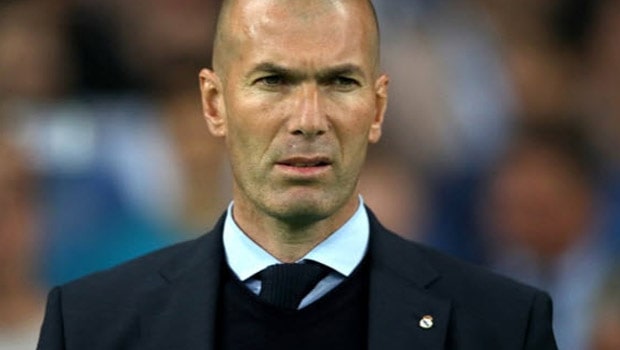
After years of persistent speculation about his next move, Zinedine Zidane appears closer than ever to returning to management. This time, however, the setting would not be a club sideline but the international stage, with reports suggesting the Real Madrid icon has a verbal agreement to take charge of the France national team once the upcoming World Cup cycle concludes.
Zidane has largely stayed out of the public coaching spotlight since stepping away from Madrid in 2021, but has long hinted at a desire to manage Les Bleus. Didier Deschamps’ current contract expires after the tournament in Canada, the United States, and Mexico, making this one of the most high-profile transitions in international football.
Zidane’s name has been linked to several top jobs over the past four years, yet none materialized. The reason was rarely a lack of interest from clubs; rather, it was his own selectiveness. Unlike many elite coaches who chase immediate opportunities, Zidane has been patient, waiting for a project that fits both emotionally and professionally. Managing France checks both boxes in a way few roles can.
His connection to the national team runs deeper than nostalgia. As a player, he helped define an era, and his understanding of the cultural weight attached to Les Bleus gives him a unique advantage in handling the pressures that come with the job. International management also offers a different rhythm compared to club football, allowing him to focus on tactical planning, squad harmony, and tournament preparation rather than the relentless weekly grind of league competitions.
Financially, the role would still place him among the highest-paid national team managers in the world, with top international coaches often earning between $6 million and $10 million annually. Yet the appeal here seems less about salary and more about legacy. Taking France into a new cycle after a World Cup would allow Zidane to shape the team in his own image without immediately being judged on inherited results.

Another factor making the move logical is Deschamps’ long tenure. Having been in charge since 2012 and delivering consistent success, including a World Cup triumph, his eventual departure was always going to signal a major reset. Zidane represents continuity in ambition while offering a fresh tactical voice.
Should Zidane officially assume the role, his first major task would be balancing generational transition with sustained competitiveness. France’s squad remains stacked with elite talent, but several experienced leaders will be approaching the latter stages of their international careers by the time the next cycle begins. Managing that evolution will require both authority and subtlety, qualities Zidane demonstrated during his time in Madrid’s dressing room.
One of his greatest strengths has always been man-management. At Real Madrid, he handled high-profile egos while maintaining collective focus, an essential skill for a national team filled with global superstars. Tournament football, with its condensed schedule and emotional swings, often rewards coaches who can maintain calm within intense environments, and Zidane’s composed demeanor could prove invaluable.